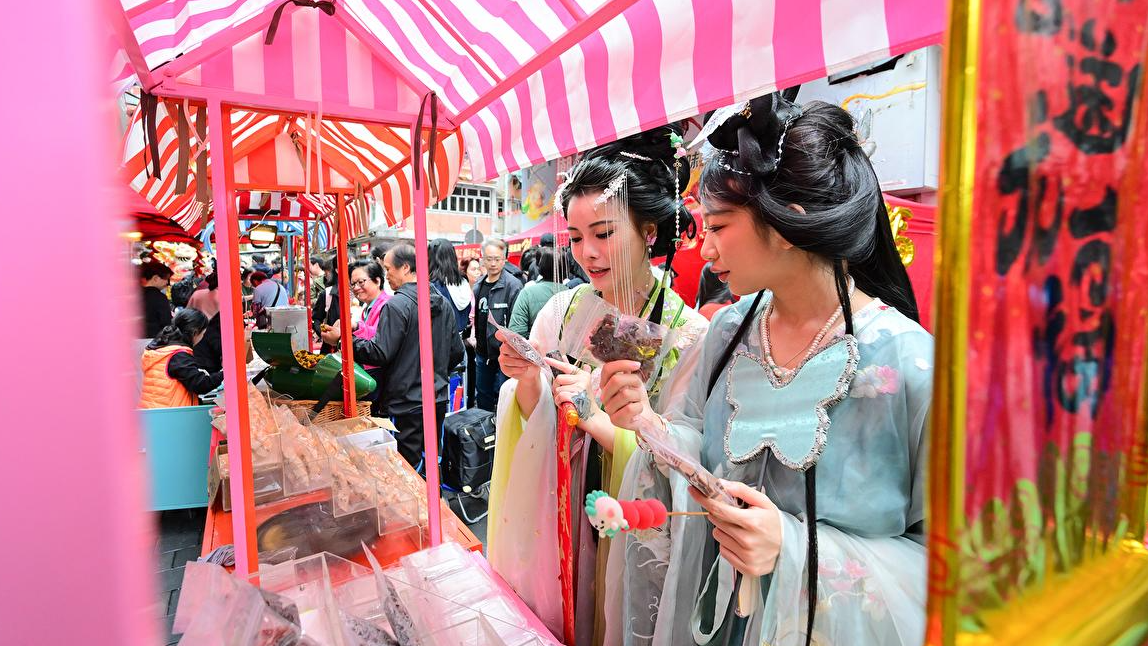
Traditional Chinese Attire
Introduction
Traditional Chinese attire is a distinctive and significant aspect of China's rich cultural heritage. Over centuries, it has evolved, reflecting the diverse ethnic groups, dynastic changes, and cultural influences that have shaped the country's history. These garments are not merely clothing; they are a tapestry of tradition, artistry, and identity, encapsulating the aesthetic and philosophical values of Chinese civilization.
Historical Evolution
The evolution of traditional Chinese attire is a journey through time and dynastic change. From the Han Dynasty (206 BC–220 AD), where Hanfu originated, to the Tang Dynasty (618–907 ), known for its vibrant and luxurious styles, each era contributed unique elements to Chinese clothing. The intricate patterns and designs of the Qing Dynasty (1644–1911) further enriched the tapestry of traditional garments. Each dynasty brought innovations and stylistic changes, influenced by the prevailing cultural, social, and political contexts.
Hanfu and Its Cultural Significance
Hanfu, the traditional attire of the Han Chinese, is characterized by its flowing robes and intricate patterns. It is considered a symbol of cultural identity and pride among Chinese communities worldwide. Hanfu is not only a garment but an embodiment of historical continuity and cultural heritage. Its resurgence in recent years reflects a growing interest in traditional culture and a desire to connect with historical roots.
Modern Revival and Adaptations
In recent years, traditional Chinese attire has seen a revival, particularly among younger generations. This resurgence is driven by a renewed interest in cultural heritage and identity. Modern adaptations incorporate traditional elements into contemporary fashion, making ancient styles accessible and relevant today. Designers and cultural enthusiasts are creatively integrating historical designs with modern aesthetics, thus ensuring the survival and relevance of traditional attire in today's fashion landscape.
Cultural Events and International Influence
Traditional Chinese attire often takes center stage at cultural events both within China and internationally. Events such as the Venice Carnival showcase these garments, providing a platform for cultural exchange and global appreciation. Performances involving traditional attire, such as Dunhuang-style dancing and opera, highlight the artistic and cultural significance of these garments, promoting cultural understanding and diversity.
Hanfu Festivals and Cultural Revival
Hanfu festivals, held across various regions, are significant in celebrating traditional Chinese attire. These events attract enthusiasts who gather to showcase their costumes, participate in cultural activities, and promote the cultural heritage associated with Hanfu. Such festivals are not only a celebration of attire but also serve as a platform for cultural exchange and community building among hanfu enthusiasts.








